
Street-legal vs off-road: how U.S. certification works
What EPA emissions classes mean for street motorcycles and recreational vehicles, and why an off-road machine is not street-legal.
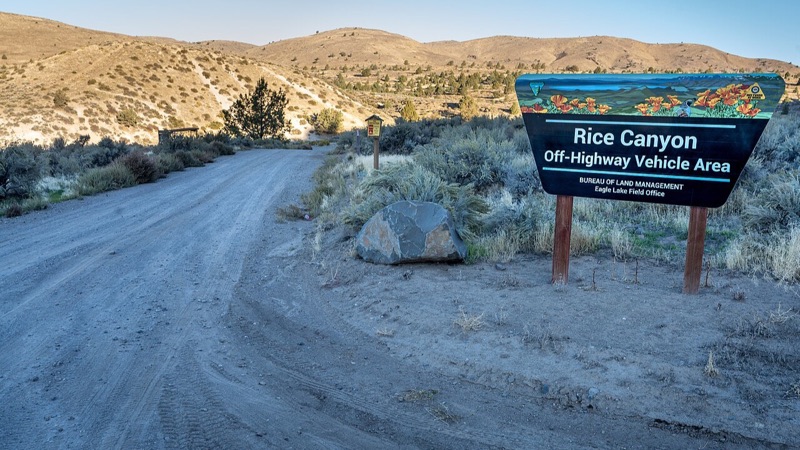
Every engine sold for powersports use in the United States has to be certified for emissions by the EPA. Which rules apply depends on whether the machine is built for public roads.
Street motorcycles
Highway motorcycles are certified under EPA’s on-road rules and grouped by displacement: Class I below 170 cc (split into under 50 cc and 50–169 cc), Class II from 170 to 279 cc, and Class III from 280 cc up. The “EPA class” column in our year tables shows this class for each certification.
Off-road motorcycles, ATVs, UTVs and snowmobiles
Off-highway motorcycles, ATVs, many utility vehicles and snowmobiles are certified as recreational vehicles under a separate set of EPA rules. These machines are not built to federal motor vehicle safety standards for road use.
What makes a machine street-legal
A street-legal motorcycle carries a 17-character VIN and a label certifying that it meets federal safety standards, and it has the lights, mirrors and road-rated tires those standards require. An off-road certification covers emissions only. Some states allow off-road machines to be plated after modification, but rules vary by state.
California
California certifies vehicles through its Air Resources Board in addition to EPA, and some models are sold in a separate California version. This is why the same model can appear with two engine families in one year.