
ATV vs UTV vs side-by-side: what’s the difference?
How quads, utility vehicles and sport side-by-sides differ in seating, controls and use, and how they are listed on this site.
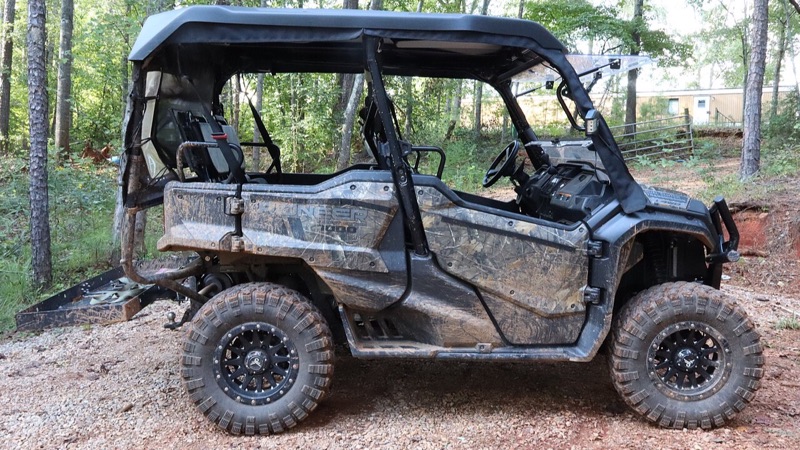
“ATV”, “UTV” and “side-by-side” are often used loosely, but the machines are built and ridden very differently. Knowing which one you have matters for parts, accessories and specifications.
ATV (all-terrain vehicle, “quad”)
An ATV has a straddle seat, handlebar steering and is ridden like a motorcycle: the rider shifts body weight to steer and balance. Most adult ATVs are built for one rider; some are designed for a rider and a passenger with a raised rear seat. Youth models are smaller and slower, and are sold for specific age groups.
UTV / side-by-side
A UTV (utility task vehicle), also called a side-by-side or recreational off-highway vehicle, seats two or more people next to each other. It has a steering wheel, foot pedals, seat belts and a roll-over protective structure. There are two broad families:
- Utility side-by-sides with a cargo bed and towing hitch, built for work on farms, ranches and job sites.
- Sport side-by-sides with long-travel suspension and more power, built for trail and dune riding.
How they appear on this site
Our listings come from U.S. EPA certification records, where ATVs and UTVs are certified as recreational vehicles. Where a manufacturer certified the same engine family for both an ATV and a UTV, the model is listed as “ATV / UTV”. Use the ATV and UTV directories to browse by brand.